Category added in order to create a page for Looking Backs by topic

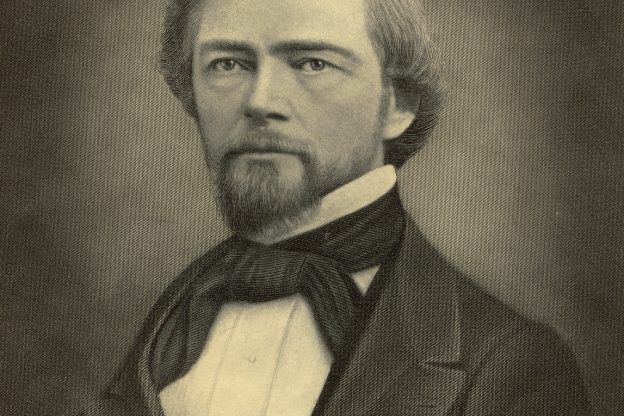
Throughout 2023 the Sunday Olympian’s Looking Back theme was origins of area place names. Governor Stevens Avenue and Stevens field, both in southeast Olympia, are named for Washington Territorial Governor Isaac Ingalls Stevens. Governor Stevens was appointed to be the first governor of the newly-created Washington Territory in 1853. He later was killed at the Civil War’s Battle of Chantilly in 1862.
Portrait engraving, about 1855, Courtesy Washington State Historical Society, catalog 1918.114.14
Text © Deborah Ross and The Olympian 2023

Throughout 2023 the Sunday Olympian’s Looking Back theme was origins of area place names. Woodruff Park is named for Samuel Woodruff. Woodruff was an early real estate developer. He platted much of West Olympia. He set aside land for the park that bears his name. He was also a talented amateur actor and musician and is pictured here in an elaborate theatrical costume.
Photograph around 1880, Courtesy State Capital Museum collection, Washington State Historical Society, catalog C1943.158.10
Text © Deborah Ross and The Olympian 2023

Throughout 2023 the Sunday Olympian’s Looking Back theme was origins of area place names. Milroy Street, in northwest Olympia, is named for General Robert Milroy, a prominent Civil War general and later Superintendent of Indian Affairs in Washington Territory, in which capacity he successfully advocated on behalf of Yakama Chief Kamiakin’s ancestral rights. General Milroy is pictured here with his four sons and his wife, Mary Armitage Milroy.
1870 photograph, courtesy State Capital Museum Collection, Washington State Historical Society, catalog C1943.118.3
Text © Deborah Ross and The Olympian 2023

Throughout 2023 the Sunday Olympian’s Looking Back theme was origins of area place names. Percival Creek, Street, and Landing are named for the Percival family, early settlers in Olympia. Captain Samuel Wing Percival was an Olympia merchant and lumberman. Pictured here is his wife, Lurana Ware Percival, who met and married Samuel after each had arrived separately in the Pacific Northwest. The Lurana apartment building in the Port area is named for her. Photograph selected and captioned by Deborah Ross, Olympia Historical Society.
Joseph Buchtel photo, 1870s, Courtesy State Capital Museum collection, Washington State Historical Society, catalog 2015.0.208
Text © Deborah Ross and The Olympian 2023

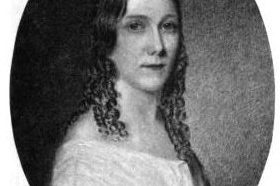
Throughout 2023 the Sunday Olympian’s Looking Back theme was origins of area place names. Hazard Lake in Olympia was named for Margaret Stevens, née Hazard, and her son Hazard Stevens. Margaret was a prominent member of New England society, who married future Territorial Governor Isaac Stevens. She was less than enthusiastic upon her arrival in muddy, thinly populated Olympia but soon became a noted hostess as the wife of our first Governor.
Lithograph, about 1841, Courtesy State Capital Museum collection, Washington State Historical Society, catalog 2011.0.205
Text © Deborah Ross and The Olympian 2023

Throughout 2023 the Sunday Olympian’s Looking Back theme was origins of area place names. Offut Lake was named for three brothers, James, Levi, and Milford Offutt (spelled with two ts), who settled near present-day Tenino in the 1850s. James is shown here with a bundle of hops. Hop cultivation existed from the earliest days of Washington Territorial settlement. Offut lake is now the site of a popular resort.
L. Wilson Clark photo, around 1860-1870, Courtesy State Capital Museum collection, Washington State Historical Society, catalog C1943.1008.1
Text © Deborah Ross and The Olympian 2023

Throughout 2023 the Sunday Olympian’s Looking Back theme was origins of area place names. Hicks Lake in Lacey is named for the Hicks family. Urban E. Hicks arrived in Thurston County in the 1850s. He served as Territorial Auditor, librarian, schoolteacher, and publisher. His son, Gallatin Gwin Hicks, established a resort, Gwinwood, on Hicks Lake, that still exists.
Secretary of State website, Territorial Librarians page
Text © Deborah Ross and The Olympian 2023

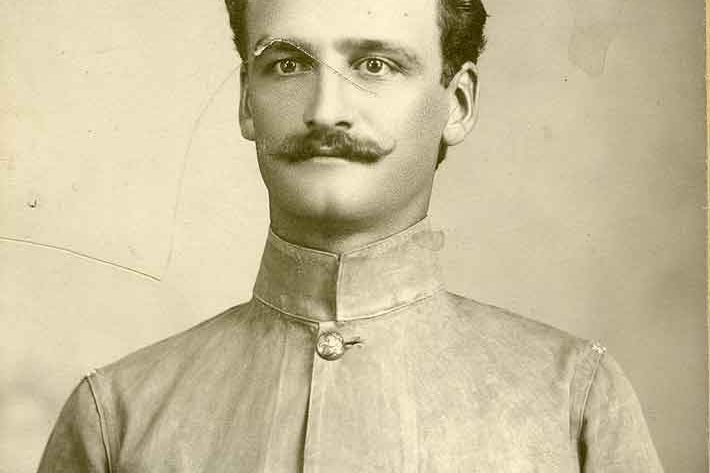
Throughout 2023 the Sunday Olympian’s Looking Back theme was origins of area place names. Sapp Road in Tumwater was named for the Sapp family, who settled in Thurston County in the late 1800s. Looking Back recently ran a photograph of Bernice Sapp, a prominent suffragist. Shown here is her brother, Colonel Speed Sapp, when he was serving in the Spanish American War. Confusingly, Colonel was his first name: he held the rank of major in the Spanish-American War and captain in World War I.
Courtesy State Capital Museum collection, Washington State Historical Society, catalog C1948.64.128
Tex © Deborah Ross and The Olympian 2023

Throughout 2023 the Sunday Olympian’s Looking Back theme was origins of area place names. Budd Inlet was named for Thomas A. Budd, a member of the Wilkes Expedition that surveyed parts of the Salish Sea from 1838 to 1842, including South Puget Sound. Thomas Budd was the acting master of the Peacock, a sloop of war. He was later killed in action while serving the Union during the Civil War.
Archives Branch, Naval History and Heritage Command
Text © Deborah Ross and The Olympian 2023

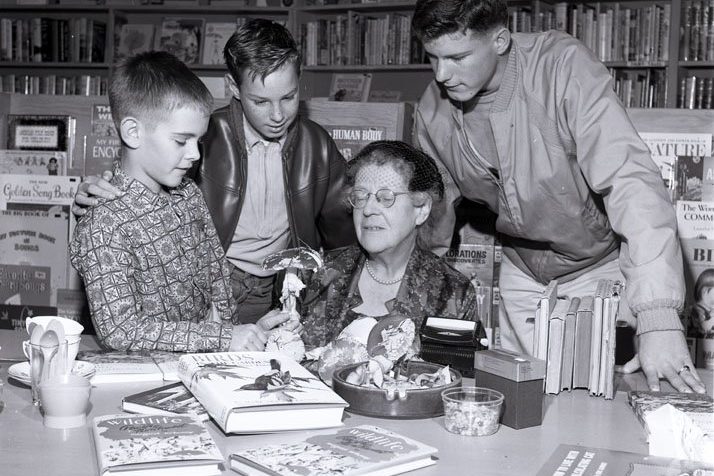
Throughout 2023 the Sunday Olympian’s Looking Back theme was origins of area place names. Renowned and beloved mycologist (mushroom expert) Margaret McKenny meets with young Freddy Dobler, Gary Bichsel and Greg Bichsel at Pat’s Bookery in downtown Olympia, to autograph her book The Savory Wild Mushroom. A local park, campground, and elementary school are all named after Miss McKenny, a lifelong resident of Olympia.
Daily Olympian photo, October 1962, State Capital Museum collection, Washington State Historical Society, catalog C1986.43.62.10.31.5
Text © Deborah Ross and The Olympian 2023

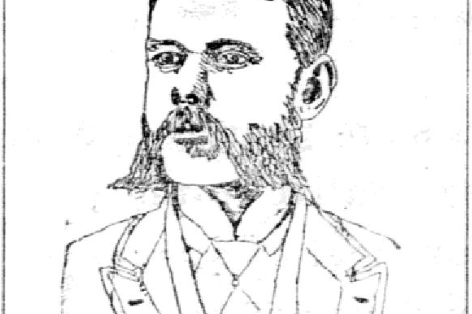
TThroughout 2023 the Sunday Olympian’s Looking Back theme was origins of area place names. The source of Lacey, Washington’s, name has never been definitively established. However, it is thought to originate from Oliver C. Lacey, an Olympia real estate developer and attorney. He was appointed Justice of the Peace in 1893 but was not popular and did not win reappointment. Soon after, he abandoned his wife, returning to his home state, Virginia, only a few years after his arrival here.
Morning Olympian drawing, August 18, 1893
Text © Deborah Ross and The Olympia 2023

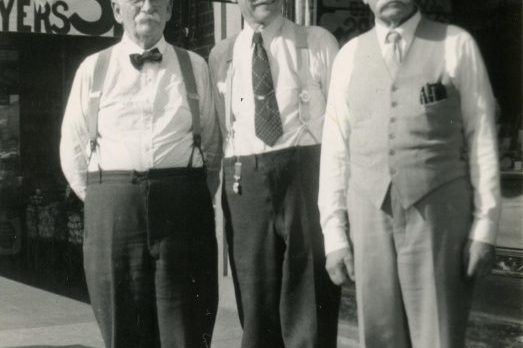
Throughout 2023 the Sunday Olympian’s Looking Back theme was origins of area place names. Talcott Avenue, in downtown Olympia, is named for the Talcott family, early Olympia settlers. Charles Talcott came west with his family in 1872 and opened his jewelry store on Main Street (now Capitol Way). He was later joined by his two brothers, Grant and George Noyes Talcott. The three brothers are pictured here in front of the store. The Talcott Building still exists and is on the local Heritage Register.
State Library Collection, Washington State Archives, image AR-07809001-ph004443
Text © Deborah Ross and The Olympian 2023

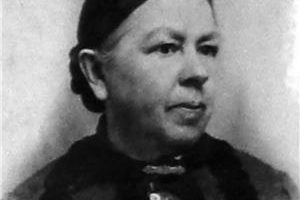
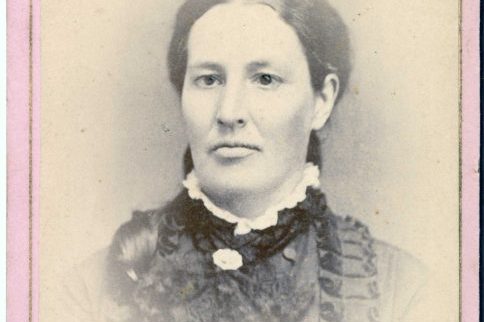
Throughout 2023 the Sunday Olympian’s Looking Back theme was origins of area place names. French Road in northwest Olympia is named for Charlotte Emily Olney French and her husband George French. Charlotte, pictured here, came to this area in the 1850s. An ardent supporter of female voting rights, Charlotte was one of the first women to vote in Washington Territory. After a series of reversals, female suffrage wasn’t permanently granted in Washington State until 1910, 10 years before the ratification of the 19th Constitutional amendment.
Photo Courtesy Thurston County Historic Commission
Text © Deborah Ross and the Olympian 2023

Throughout 2023 the Sunday Olympian’s Looking Back theme was origins of area place names. The Bigelow neighborhood, Bigelow Park, and Bigelow Street are named for an early settler family. Pictured here is Ann Elizabeth White, who married Olympia attorney Daniel Bigelow in 1854. The Bigelows erected their home on the east side of Olympia around 1860. It is one of the oldest known residences in Olympia, currently operated as the Bigelow House Museum.
Bigelow Photograph Collection, Olympia Historical Society and Bigelow House Museum
Text © Deborah Ross and The Olympian 2023

Throughout 2023 the Sunday Olympian’s Looking Back theme was origins of area place names. Giles Street, in northwest Olympia, takes its name from Charles Giles, whose home is at the corner of West Bay Drive and Giles Avenue. Charles Giles was a mill operator, whose business was nearby. The home is on the state register of historic places.
Photograph of Charles P. Giles, around 1925, unknown photographer, Ancestry Public Member Photos & Scanned Documents, shared August 15, 2018
Text © Deborah Ross and The Olympian 2023

Throughout 2023 the Sunday Olympian’s Looking Back theme was origins of area place names. Henry Street in southeast Olympia is named for the Henry family. Anson Henry was a close friend of and physician to President Abraham Lincoln, who appointed him surveyor general for Washington Territory. Anson was visiting Richmond, Virginia, when Lincoln was assassinated, and helped Mary Todd Lincoln after the president’s death. The Henry heritage tree on the United Methodist Church grounds on Legion Way is named for Anson’s son Dudley.
public domain photo from 1860s
Text © Deborah Ross and The Olympian 2023

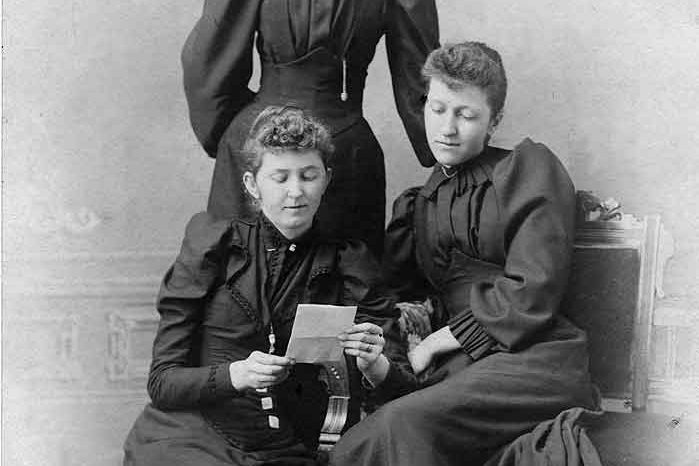
Throughout 2023 the Sunday Olympian’s Looking Back theme was origins of area place names. Langridge Avenue and Langridge Loop, in northwest Olympia, are likely named for the Langridge family. Father George, originally from England, arrived in this area in the mid 1800s. Pictured here are his three daughters, Alice, Frances, and Kate.
Rogers Studio photo, about 1890, Courtesy State Capital Museum, Washington State Historical Society, catalog C1009.195.6
Text © Deborah Ross and the Olympian 2023